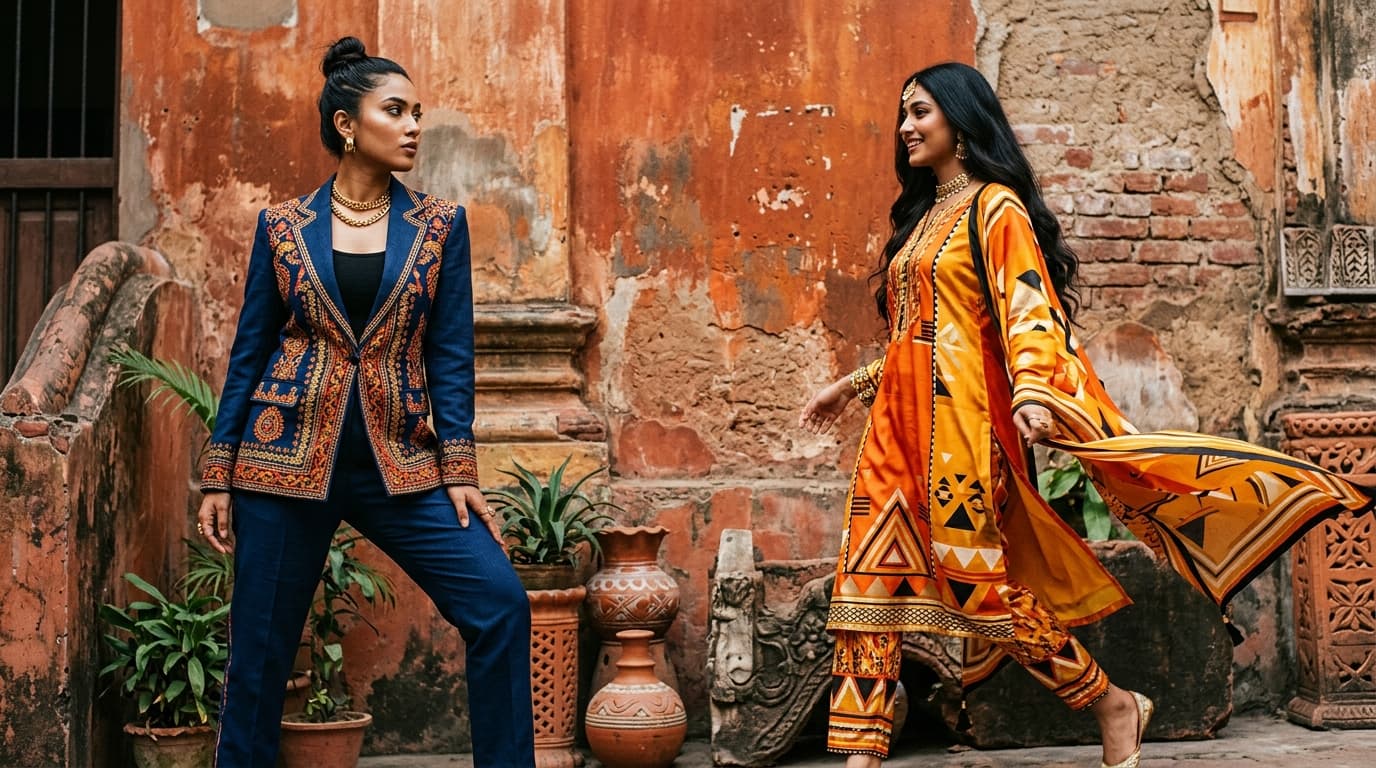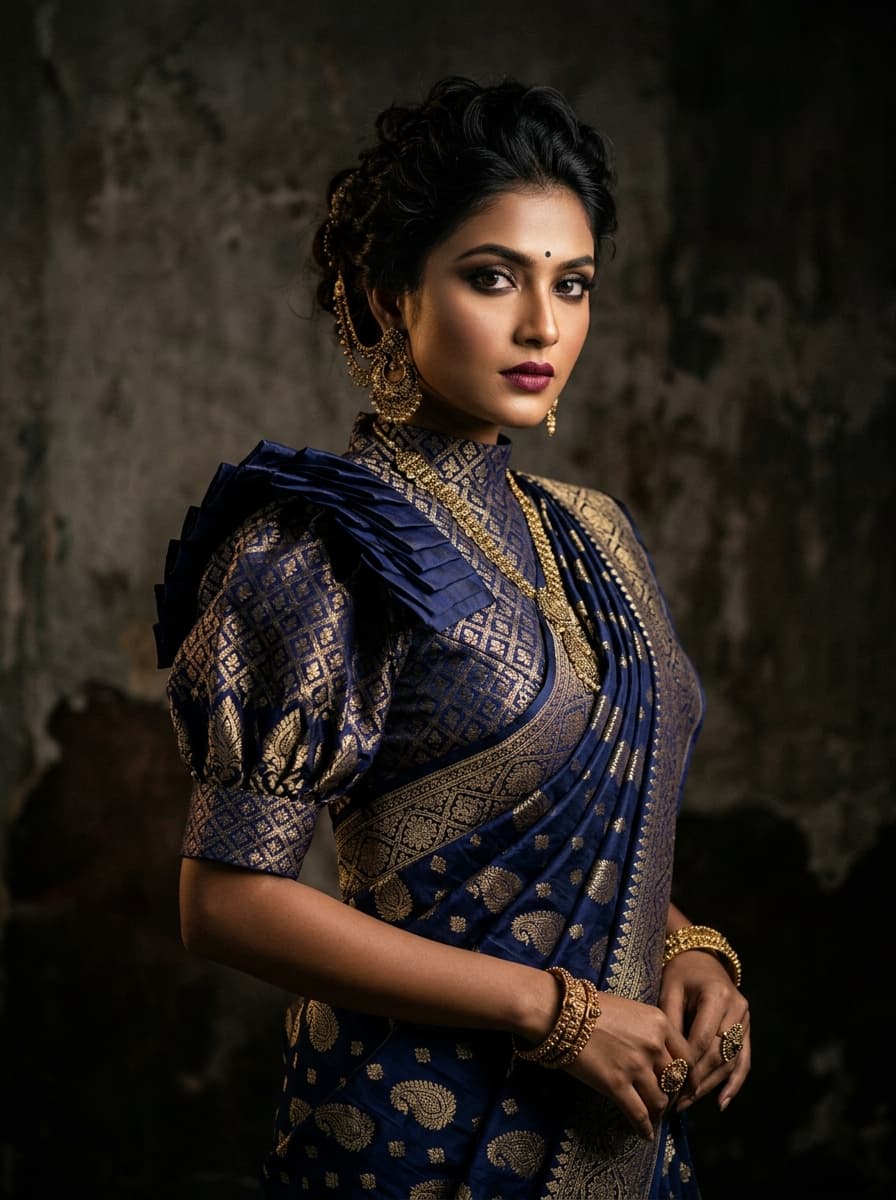
The Drape, Reimagined
A generation of Bangladeshi designers is fusing centuries-old jamdani craftsmanship with architectural draping techniques borrowed from the global runways. The result? Something wholly, breathtakingly new.
Nadia Islam8 min read
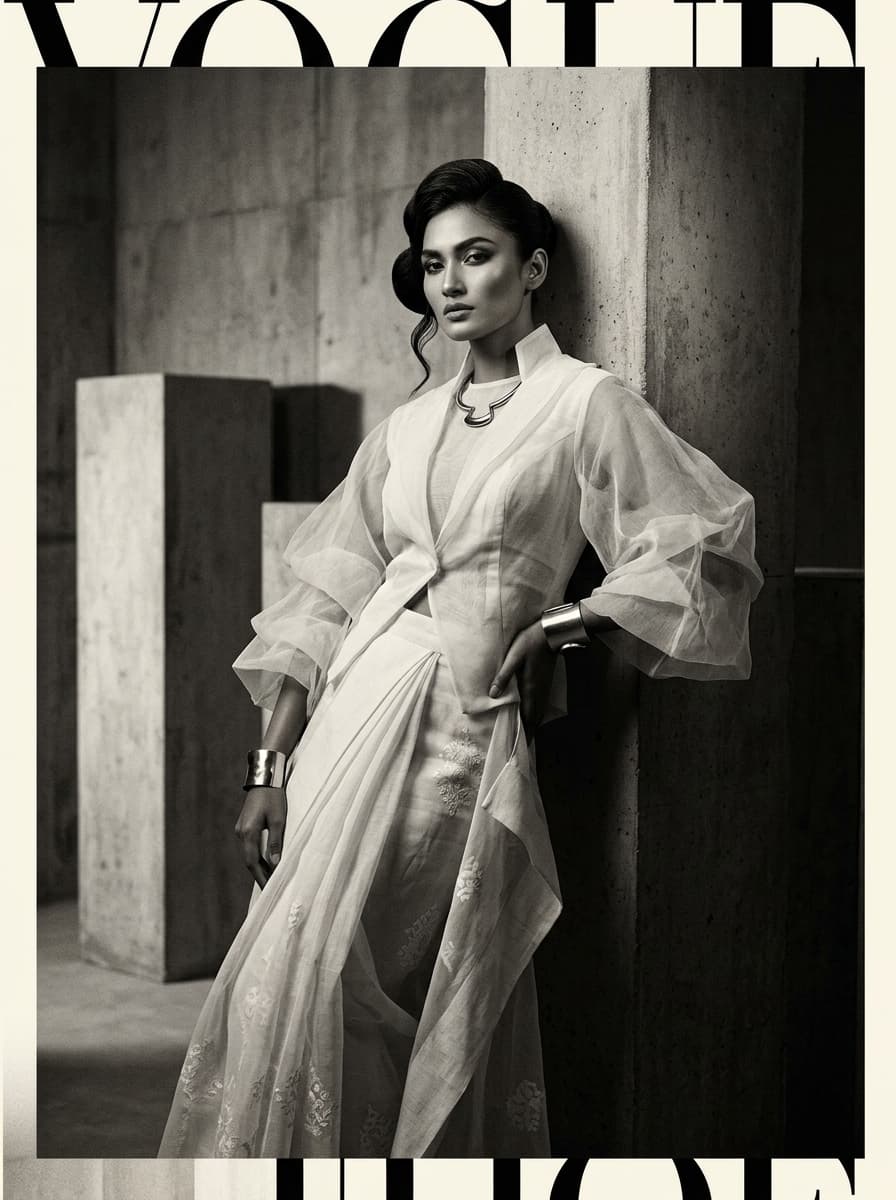
The circular fashion movement reshaping how we think about garments
Arif Chowdhury
Senior Writer
Bangladesh is the world's second-largest garment exporter. Now, a cohort of homegrown brands is proving it can also lead in sustainable luxury.
For decades, "Made in Bangladesh" has been associated with fast fashion — high volumes, low prices, and troubling labor conditions. But something is shifting.
A new generation of Bangladeshi fashion entrepreneurs is reclaiming the label. They are building brands that pay artisans fairly, use organic or recycled fibers, and create garments designed to last decades, not seasons.
Naya Threads, founded by sisters Meem and Tisha Rahman, produces linen and hemp clothing using water-efficient natural dyes. Their pieces retail between $180 and $600 — and they have a three-month waitlist.
"We want people to understand what a garment truly costs," says Meem. "Not just in taka, but in water, in land, in the hours of someone's life."